Custom business software
Build the missing software layer around the way your business actually works.
For HVAC, plumbing, electrical, roofing, and other home service businesses in Erie County, Pennsylvania
Custom business software is a focused application built around a workflow that generic products do not handle cleanly. It can combine an internal interface, shared database, integrations, permissions, dashboards, and automation while preserving the existing software that still works well.
Sometimes automation alone is not enough. If the process needs a purpose-built interface, shared database, admin workspace, client portal, or operational dashboard, custom software can give the team one useful place to run that part of the business.
Show me your workflow →Before · Software gap
- 01The workflow is spread across spreadsheets, inboxes, forms, and several SaaS products.
- 02No existing tool matches the process closely enough to become the system of record.
- 03Staff create workarounds and duplicate data to bridge the gaps.
- 04Management lacks a clean view of the workflow from beginning to end.
After · Practical software layer
- 01A focused interface is built around the exact jobs users need to perform.
- 02A database creates one reliable record for the workflow.
- 03Existing software remains connected where it still does its job well.
- 04Automation and AI-assisted features are added only where they improve the product.
What this can look like
Solve the specific bottleneck without rebuilding everything.
Internal operations dashboards and admin portals.
Customer or vendor portals tied to a backend database.
Purpose-built quoting, intake, scheduling, or review tools.
Custom software that connects several existing systems into one workflow.
Typical deliverables
A usable workflow, not an unexplained black box.
The exact scope follows the workflow review. Focused projects are typically delivered in two to four weeks and can include the practical pieces below without forcing a replacement of every tool your team already uses.
- 01
A focused interface for the jobs users need to perform.
- 02
A shared data model with appropriate access controls.
- 03
Integrations and automations around compatible existing systems.
- 04
Deployment, operational documentation, and team handoff.
Good project signals
This is usually worth reviewing when…
- Your process has outgrown spreadsheets or generic forms.
- Off-the-shelf software forces the team into awkward workarounds.
- Several systems need a shared operational layer between them.
- The business process itself is unique enough to justify purpose-built software.
How the work is approached
Start with the process, then choose the smallest useful software layer.
- 01
Audit
Map the inputs, handoffs, decisions, owners, existing tools, and places where work currently stalls.
- 02
Design
Define the focused scope, data flow, review points, and where deterministic automation or AI assistance is appropriate.
- 03
Build
Create the forms, dashboards, database, integrations, automations, or internal tools required by that scope.
- 04
Implement
Test with representative work, document the system, tighten the handoff, and make responsibilities clear.
When not to build
Custom software should earn its place.
If an existing product solves the workflow cleanly at a reasonable cost, buying it is usually the better recommendation.
AI is not added to steps where deterministic rules are more reliable, easier to audit, or easier for the team to maintain.
A project should begin with one defined workflow instead of attempting a complete system replacement without validated scope.
Healthcare, financial, legal, government, and other strictly regulated applications are outside the current project fit.
Founder-built project
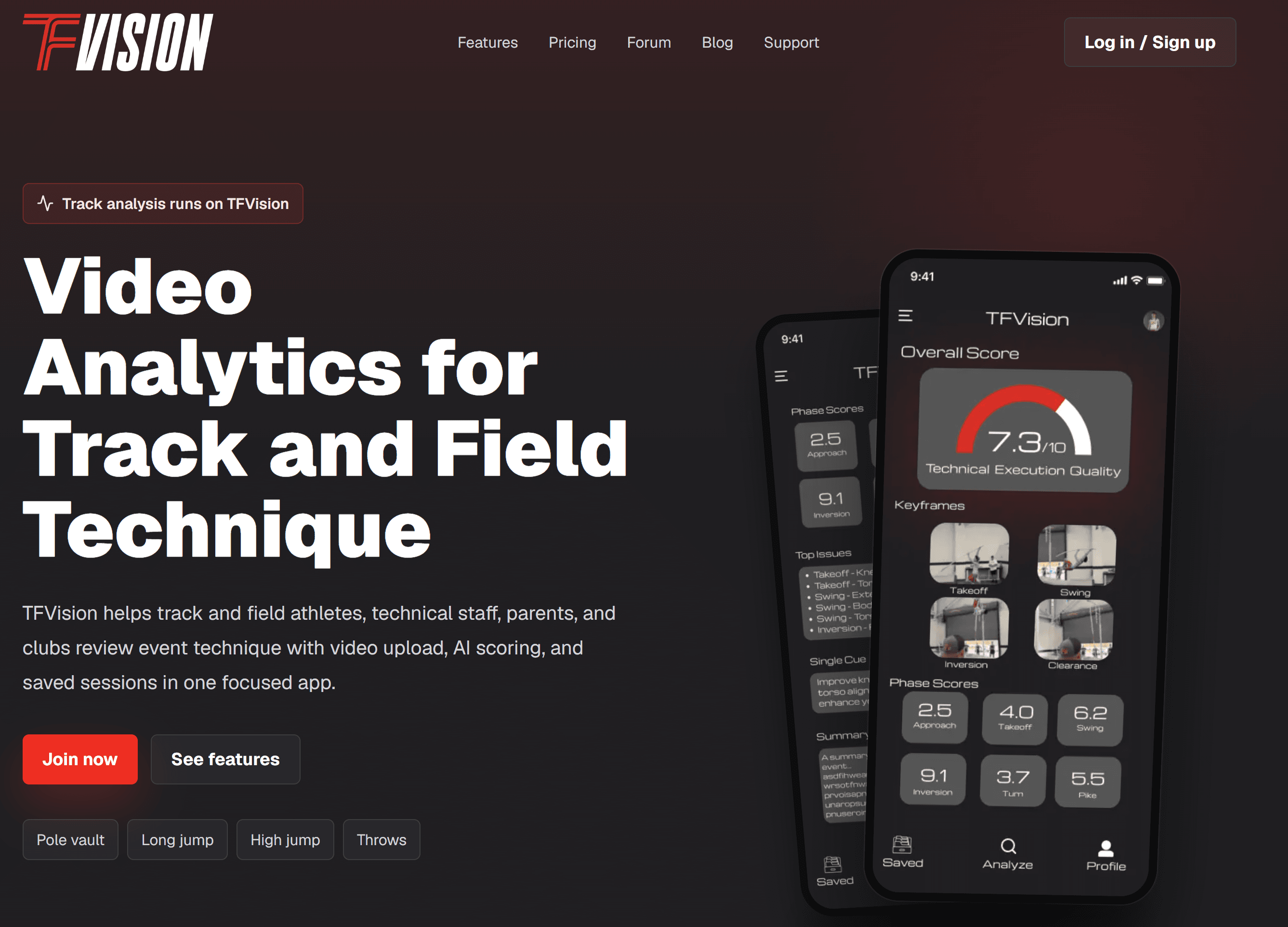
TFVision: product work grounded in operating the product.
Connor Munson founded, owns, and operates TFVision. Building the product has involved full-stack application development, databases, internal tools, and computer-vision model-backed features—practical experience that informs how Pike10 scopes and builds operational software.
This is a founder-built project example, not a third-party client result.
Common questions
Should we buy software instead of building it?
If an existing product solves the problem cleanly at a reasonable cost, buying it is usually the better decision. Custom software makes sense when the workflow or integration requirements create a real gap.
Can a custom tool connect to software we already use?
Often yes. A custom frontend or operational layer can sit around existing CRMs, databases, email, forms, and APIs instead of replacing every system.
Can we start small?
Yes. A focused internal tool or single workflow is often a better first project than trying to rebuild the entire operating system of the company at once.
How long does a focused project usually take?
A focused project is typically delivered in two to four weeks. The actual schedule depends on scope, access to existing systems, feedback, and the complexity of any integrations.
What happens before development starts?
The first step is mapping the current workflow: its inputs, handoffs, decisions, existing tools, failure points, and the people responsible for each step. That review defines a focused scope before software is built.
How are ownership, hosting, and support handled?
Ownership, system access, hosting responsibilities, documentation, and any ongoing support are defined in the project scope before development begins. The goal is to leave your team with an understandable system and a clear handoff.
Have a workflow like this?
Tell me how it works today. I’ll review where software could actually help.
Call 814-602-4100Related workflows